Even Magazine, Issue 9 Spring 2018
by Niklaus Nuspliger
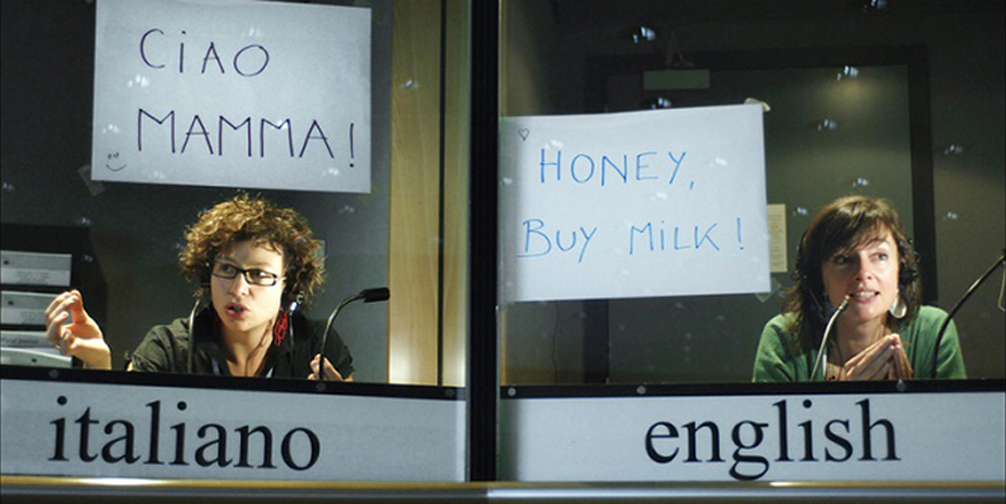
When I moved to Brussels from New York four years ago, I found the city impossible to pin down. It’s a place of contradictions and coexistence, a chaotic capital of bureaucrats and artists that can feel charming and repellent at the same time. It is one of the rare intersections for Belgians of both language groups, and in places it hardly feels like Belgium at all. The Haussmannian buildings in the bourgeois area of Châtelain serve as backdrops for movies set in Paris. The many brick stone houses reminded me of the UK; the historic center felt Flemish and Dutch. And when I first walked through the souk just behind the Gare du Midi I might have thought I was in Morocco, if it hadn’t been for the rain.
As elusive as the city was the subject I had moved here to write about: the European Union, this strange hybrid of a confederation and a federal state whose power never seemed to reveal itself. Each day I’d navigate through the European quarter and meet members of the European Parliament, eurocrats working for the Commission, lobbyists, thinktankers, and some of the countless diplomats representing the 28 (soon to be 27) member states. Many people in the EU bubble seemed to hold some power, but no one ever seemed really in charge. The EU has to uphold so many regional and political balances that decisions are often the result of negotiations and subtle procedures rather than of frontline power politics. And when things do get political, the ministers from Berlin, Paris, Warsaw, or Rome — and not the allegedly almighty eurocrats — often get the last word.
Link to the full article.
